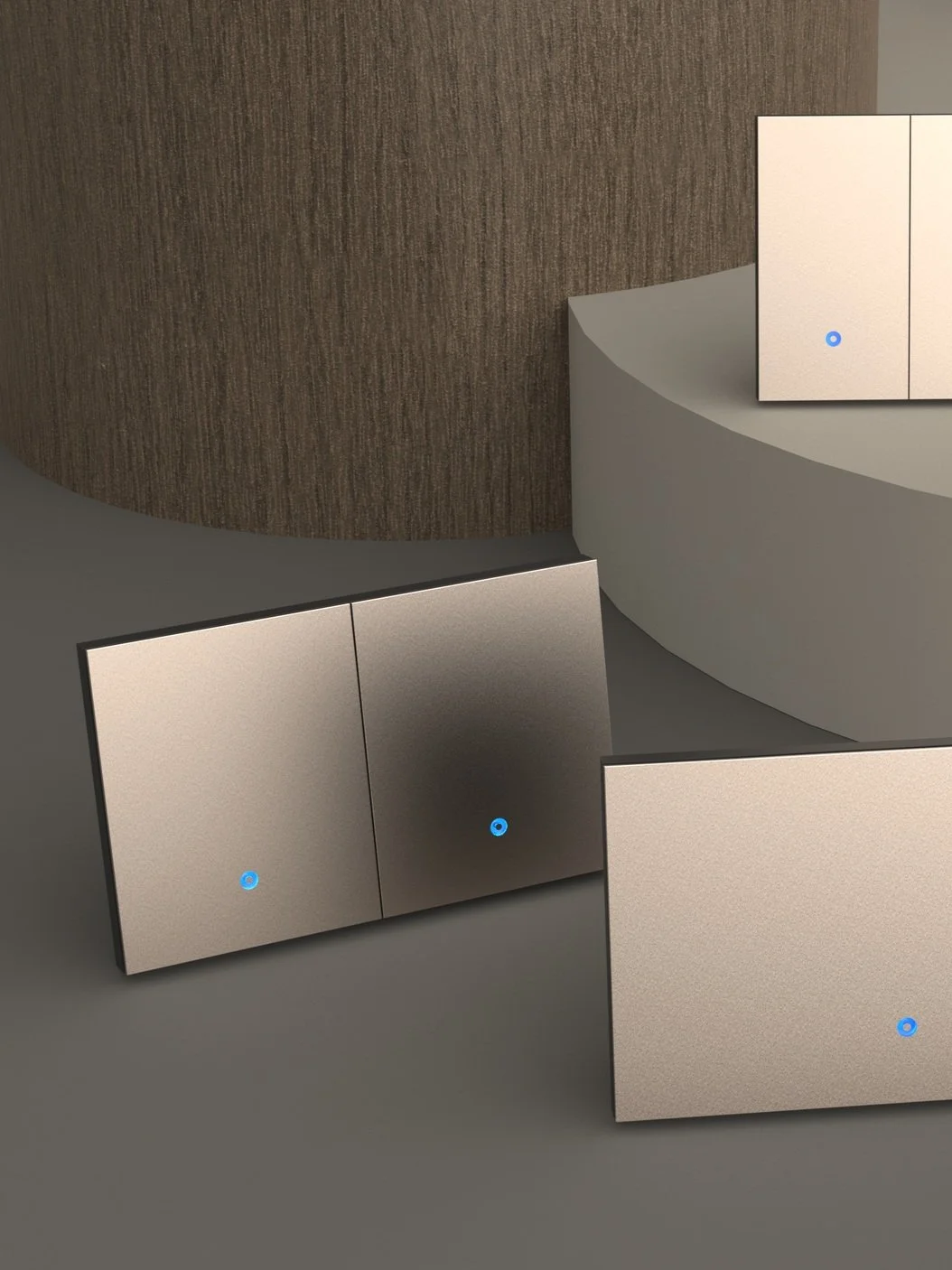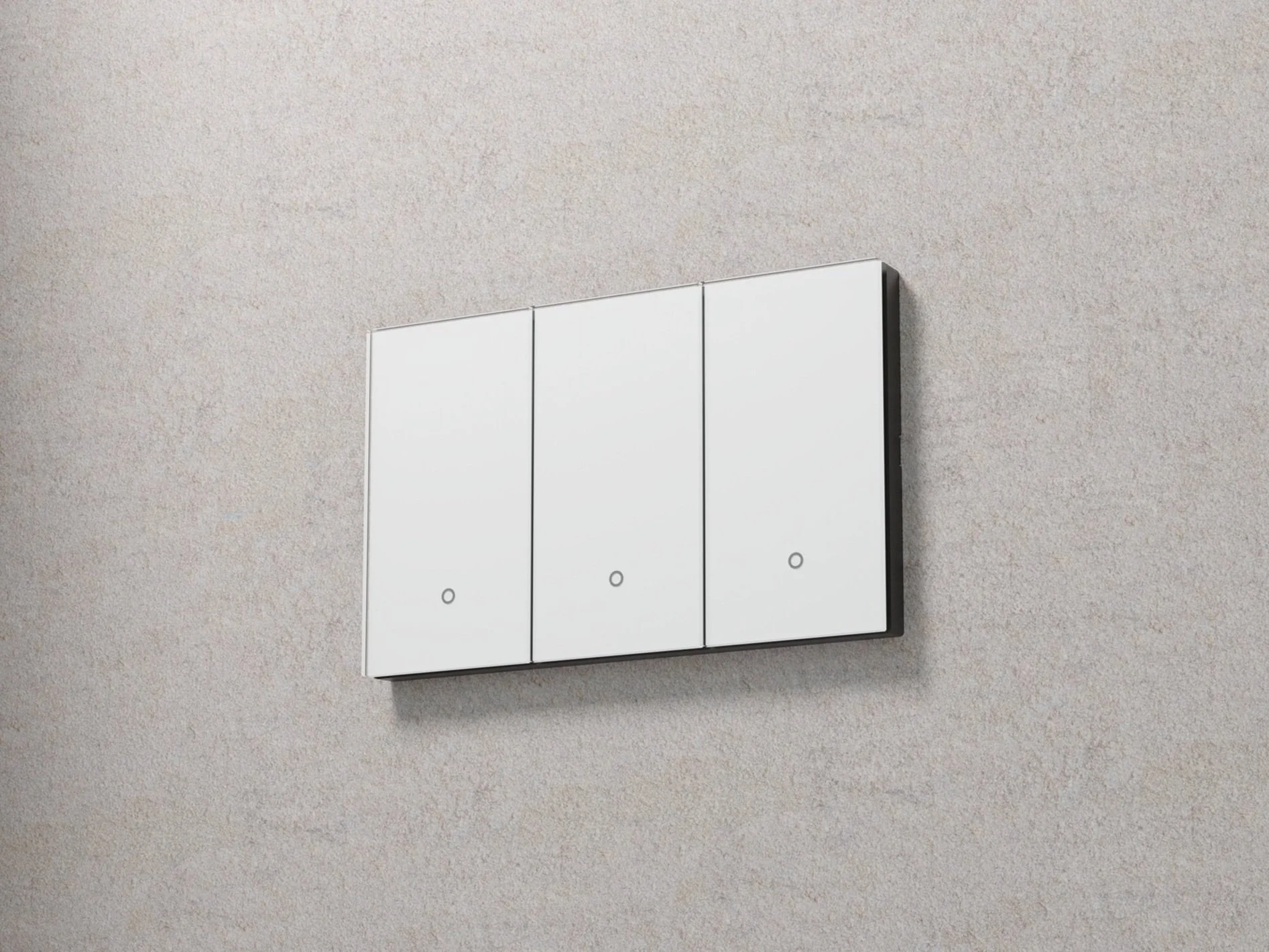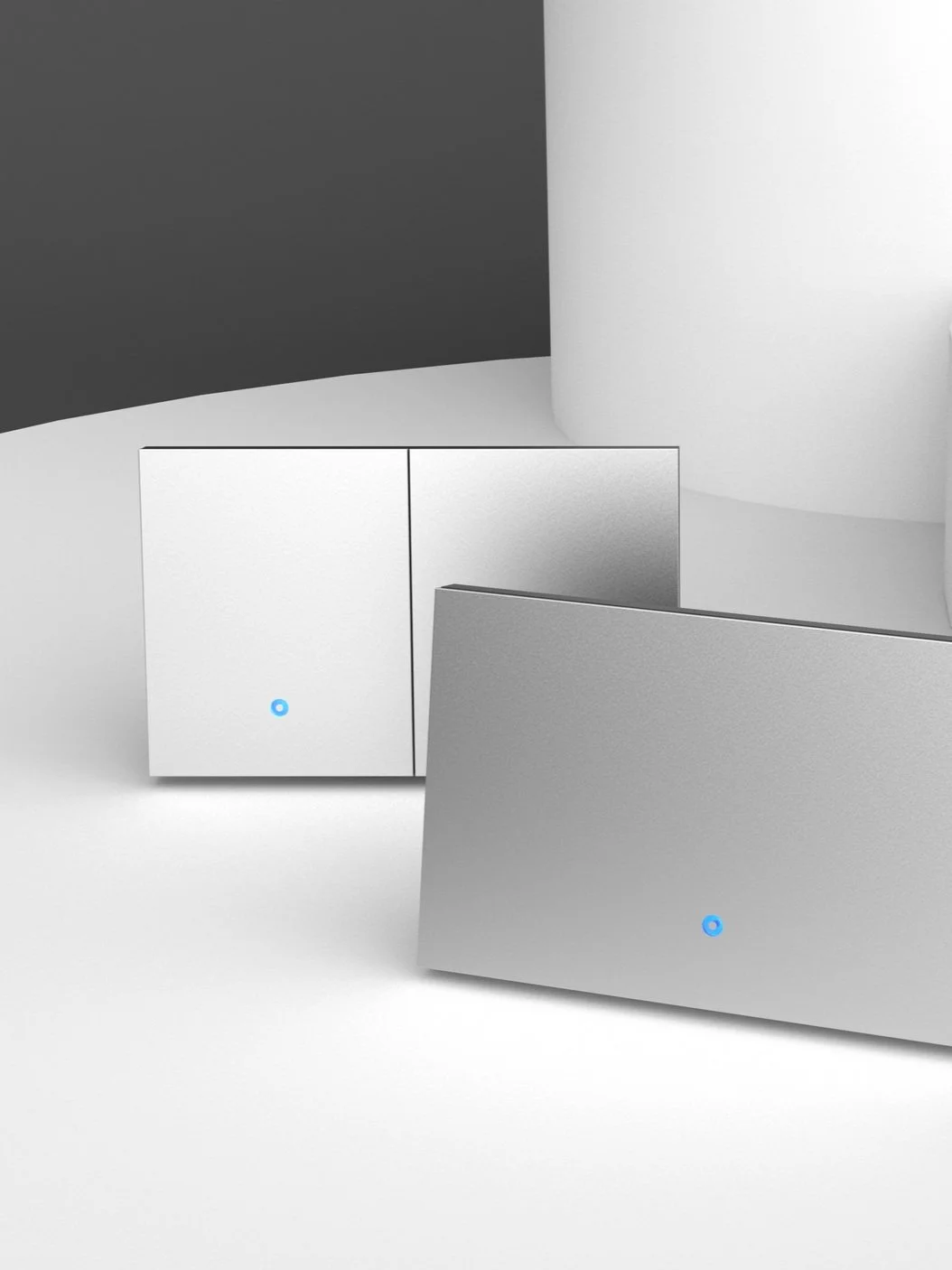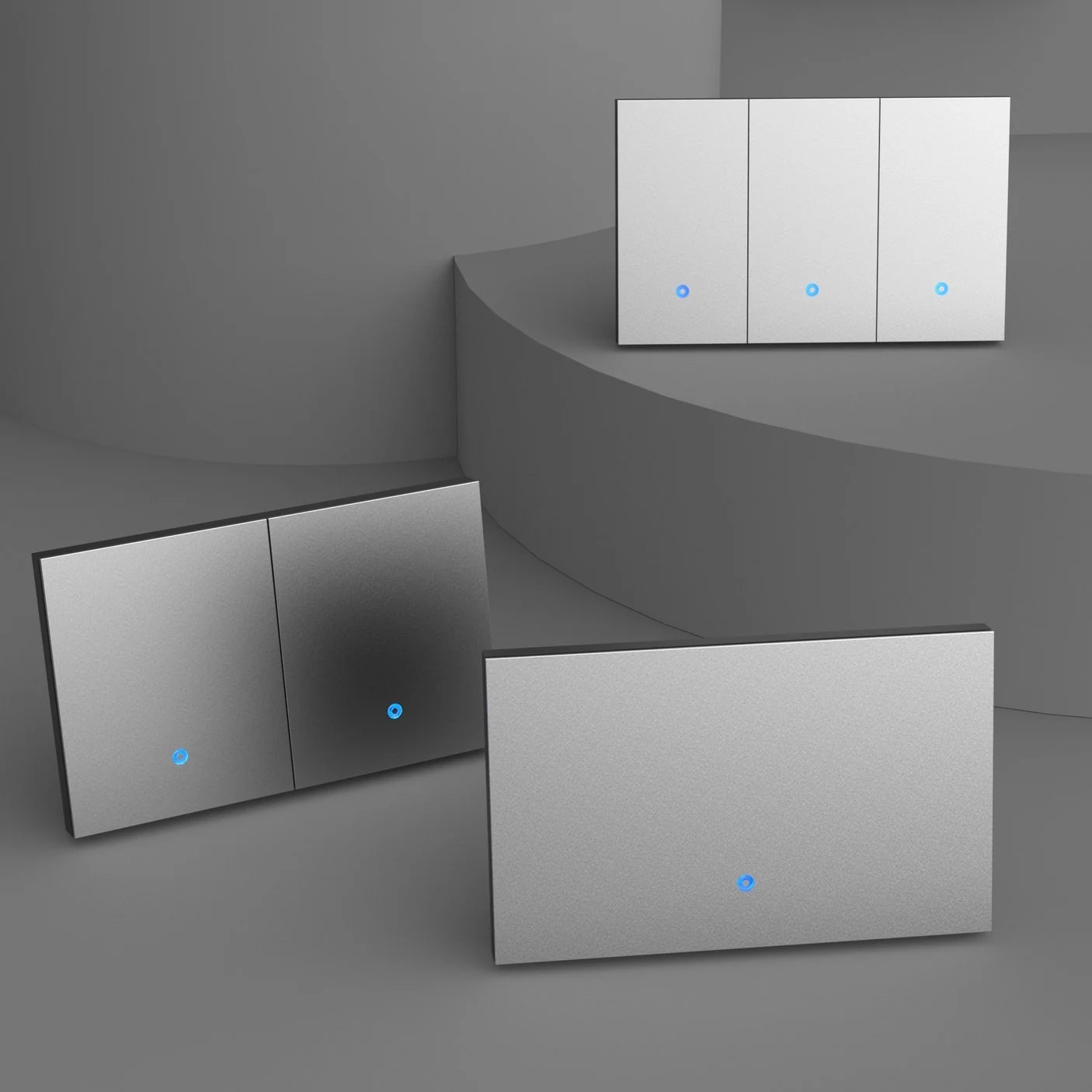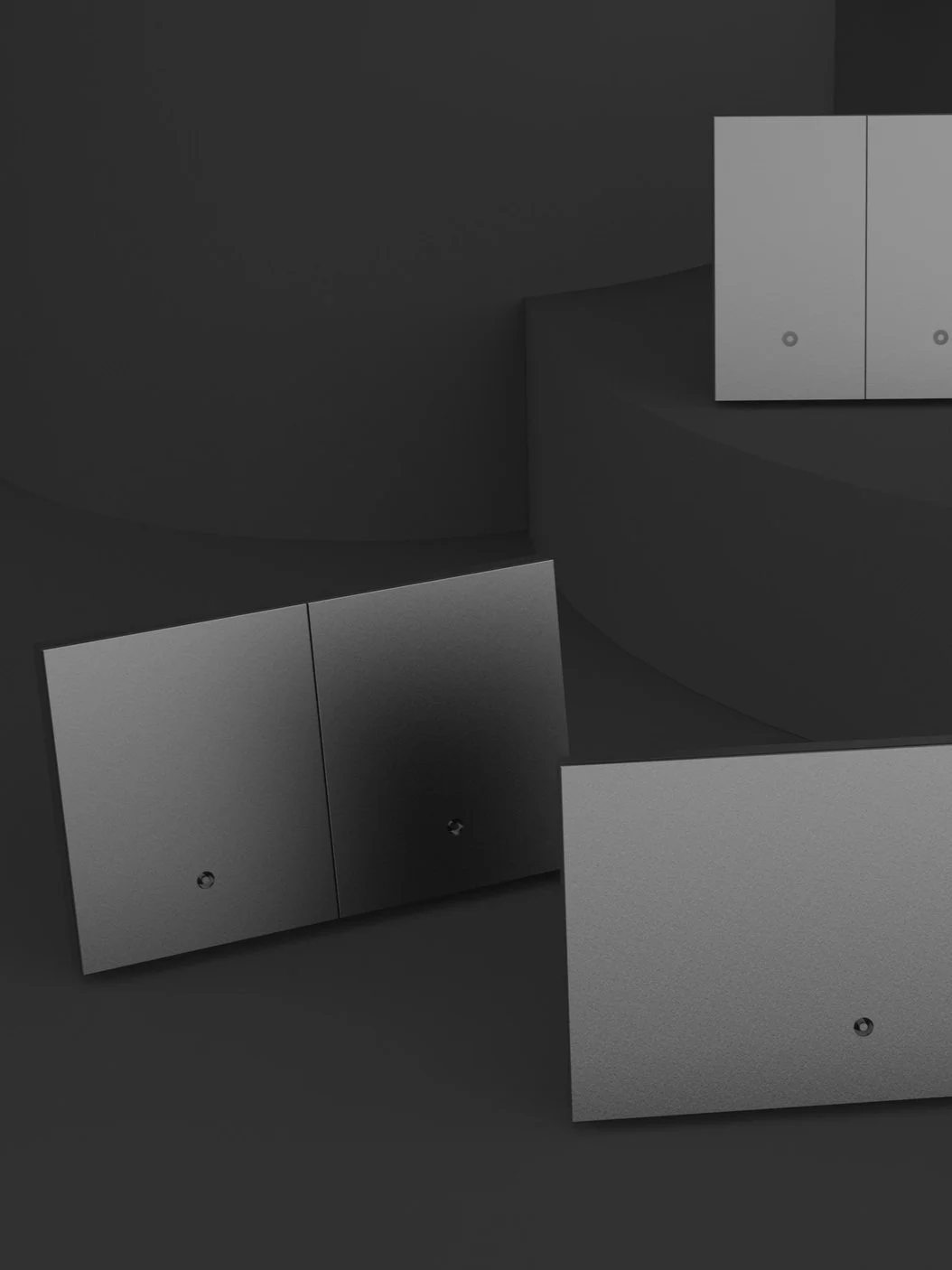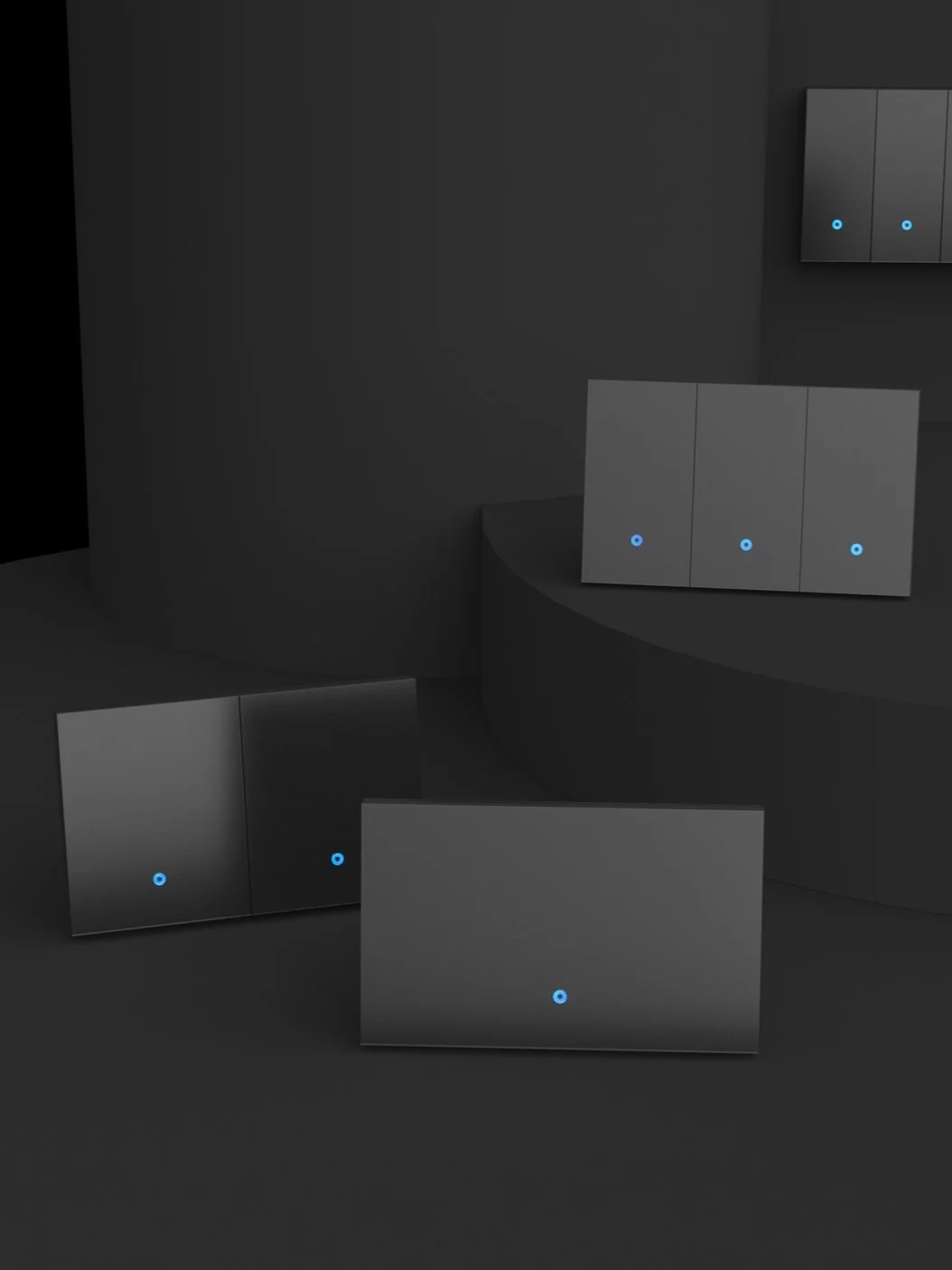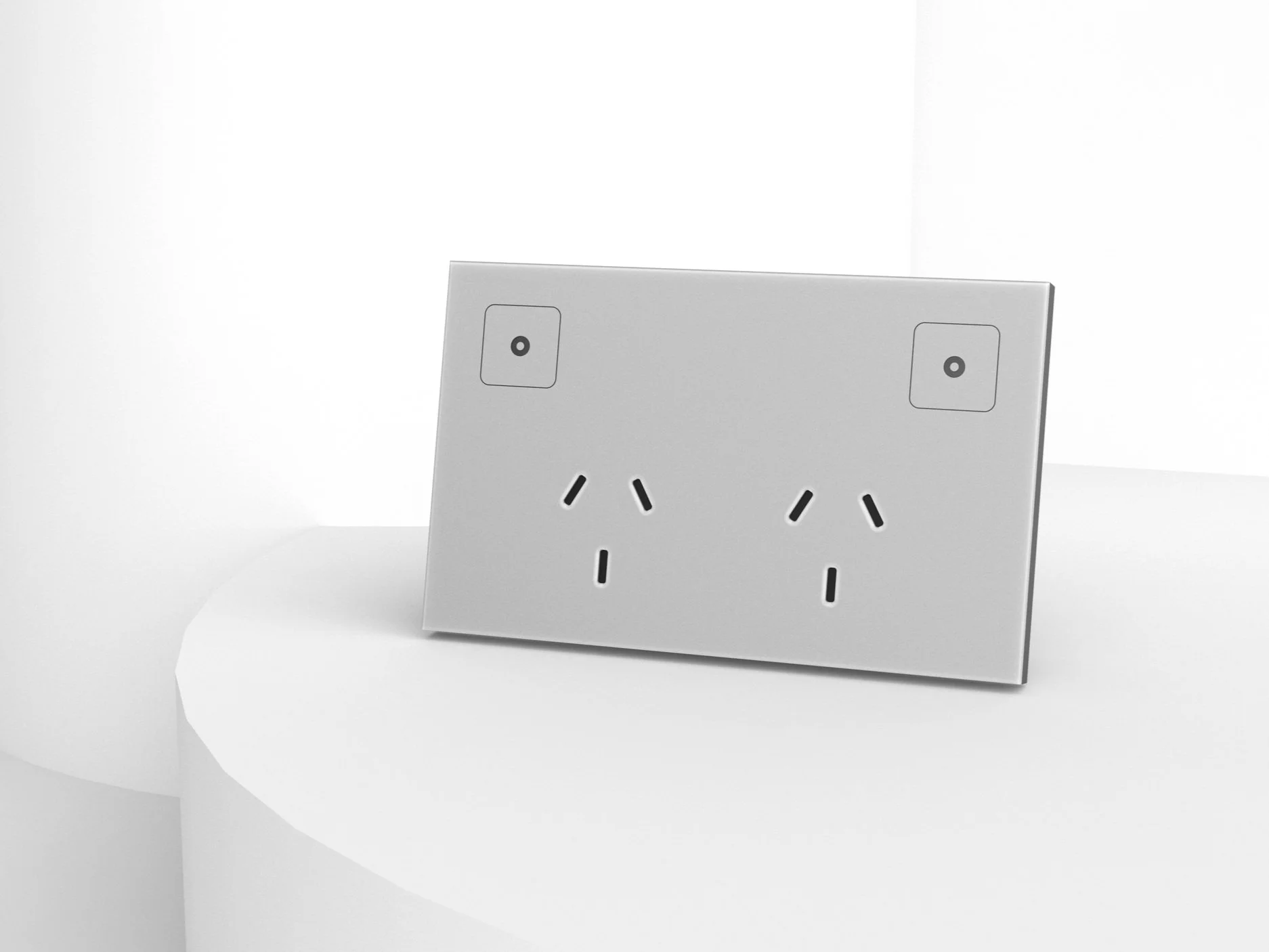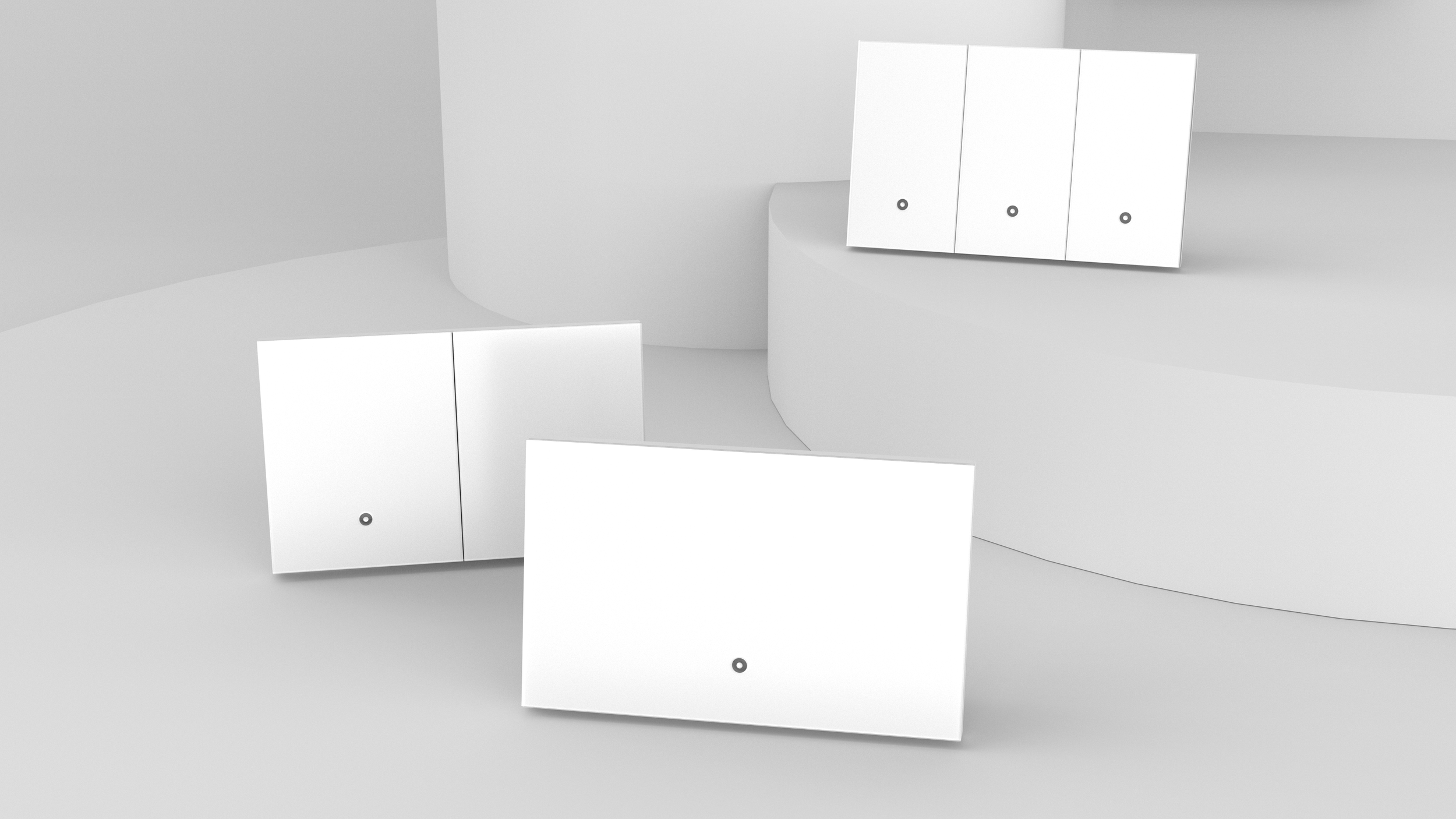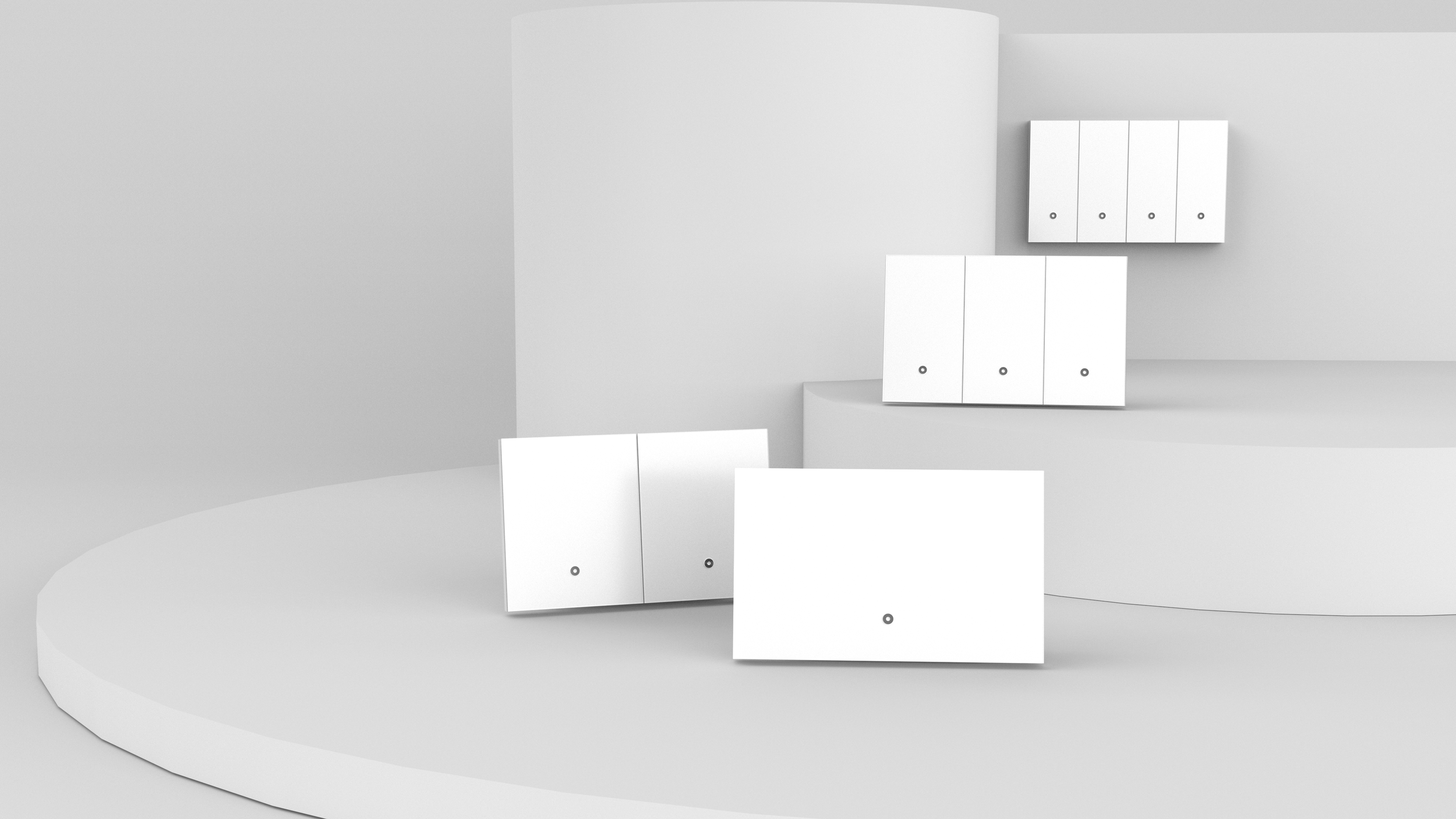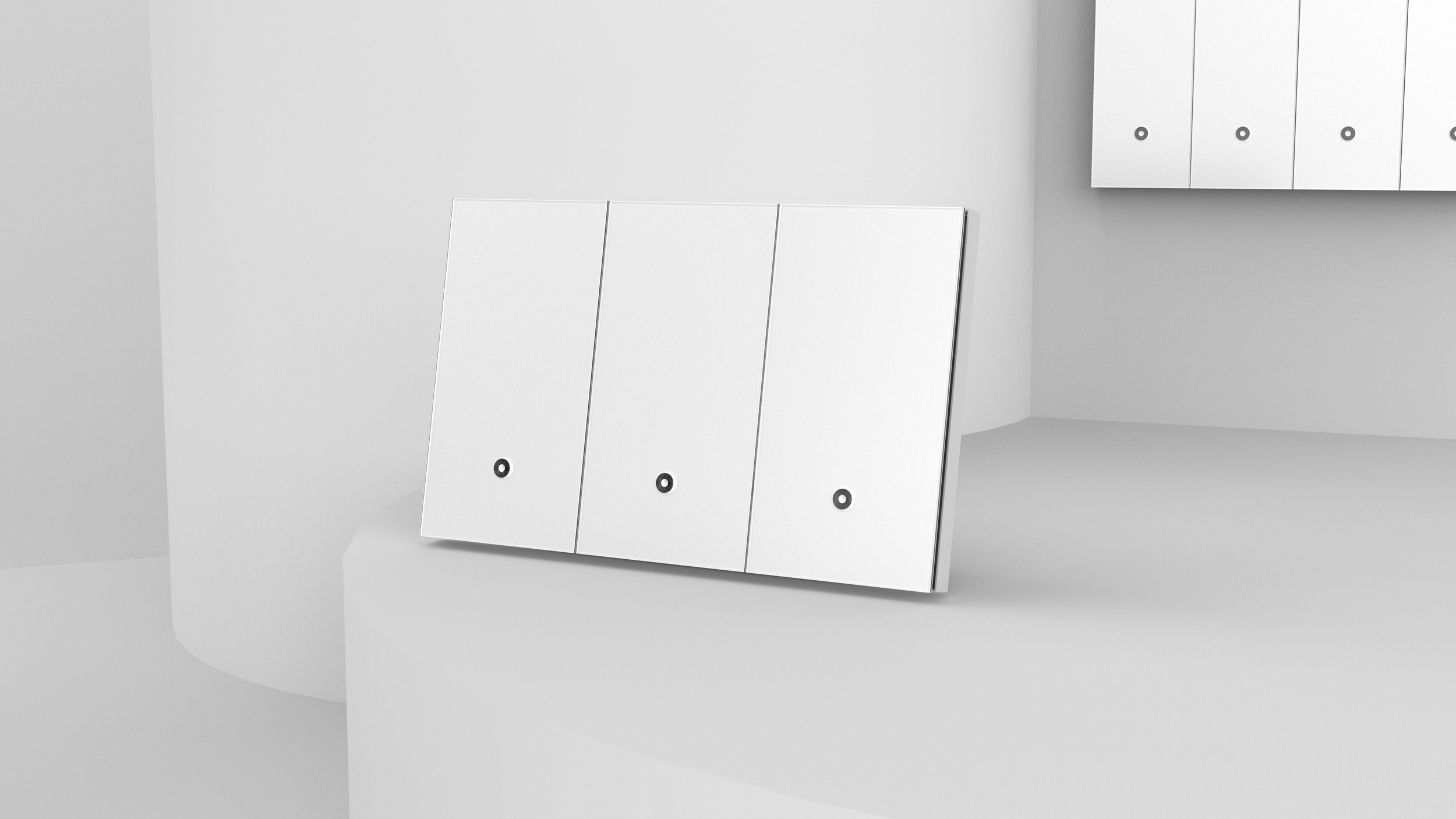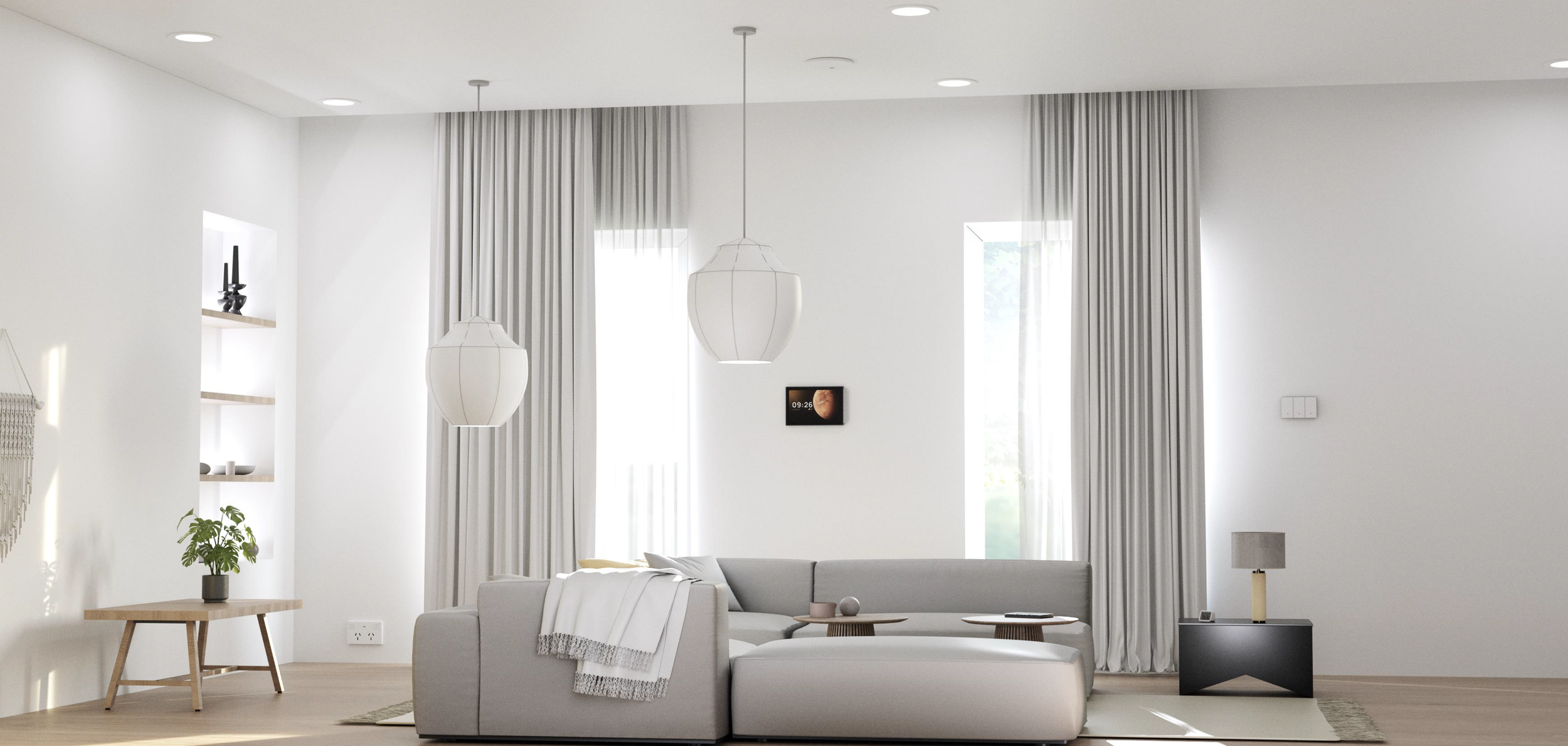
The Konec Smart Switch is a perfect blend of aesthetics and functionality, crafted with the design-conscious user in mind. Its seamless integration of smart home control with intuitive features caters to a wide range of preferences. This user-focused design elevates any space, delivering both beauty and innovation through functional technology.
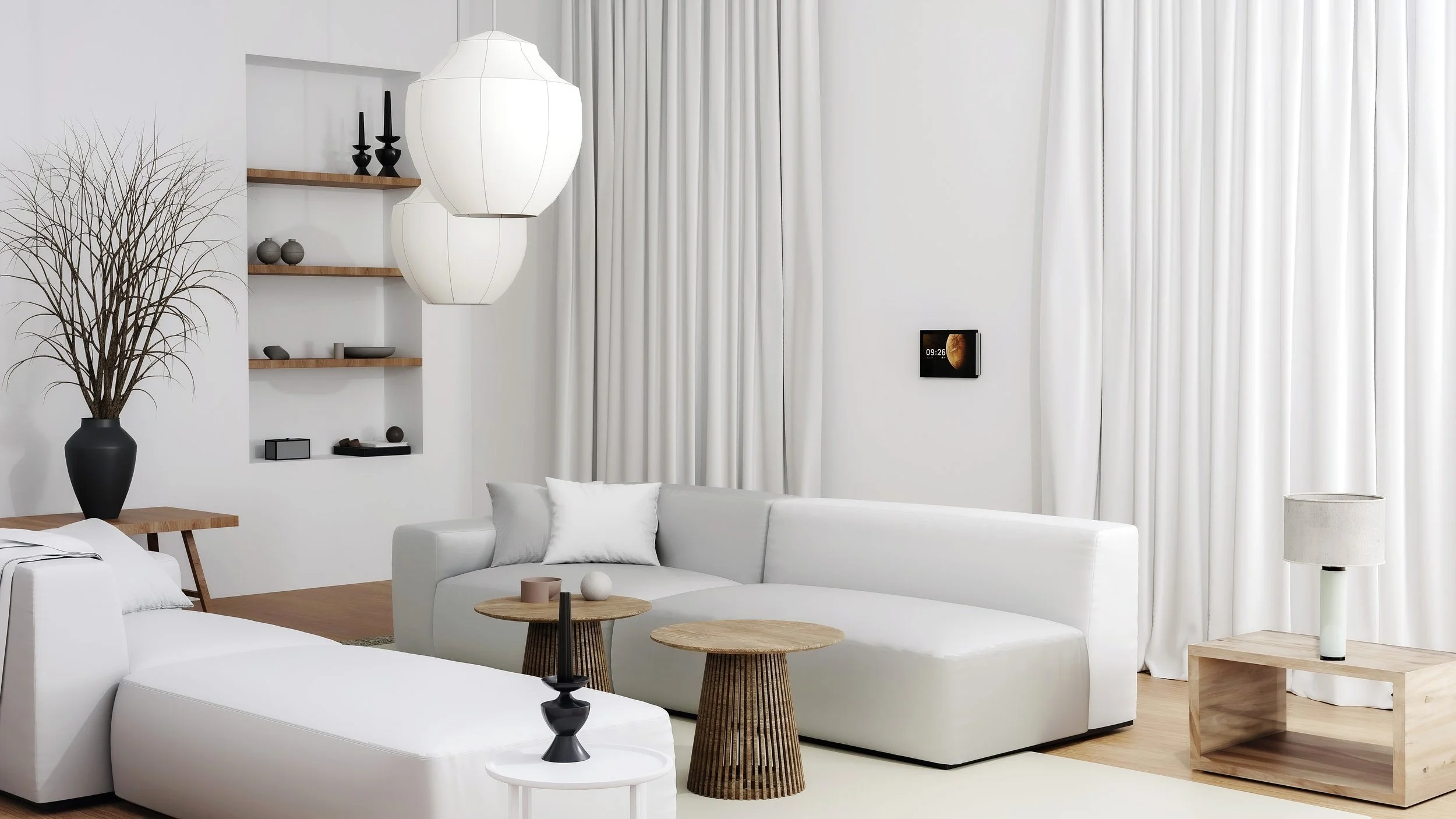
What is the design challenge?
Tasked with reimagining the traditional switch, which often feels uninspired and lacks sensory feedback, I set out to create a more engaging experience. My innovative solution combined tactile and auditory feedback, ensuring users not only see but feel and hear their interactions.
Konec Smart Switches integrated a subtle, dimmable LED for visual comfort and designed larger, more intuitive buttons to improve accessibility. All of this was crafted with the sleek, signature aesthetic of the Konec brand, balancing functionality with style.
Make it
My design offers a sleek, full-case LED smart switch that’s glare-free and indicates on/off status. The responsive button casing allows activation from any point on its surface. The universal back base s1implifies electrical installation, and the switch comes in various materials like PC, Glass, and Aluminium with special colours. It also links multiple smart home devices to one button, enabling automated scenes with a single tap.
Our project’s design impact is multifaceted, offering a sleek and clean aesthetic that complements various interiors. The smooth materials and minimal LED light provide a premium, user-friendly experience. It supports diverse wiring needs, catering to different home setups, and simplifies installation, which is cost-effective. The low-voltage front panel and standard-compliant back base ensure safety and energy efficiency, aligning with Australian standards.
Physical LED indicators give a reliable on/off status readout, even in emergencies or extreme conditions
Button mechanism delivers a smooth, high-end feel, with a satisfying click akin to a mouse button
Back base supports diverse wiring configurations, with up to 7 wire port
Meets the requirements of the National Disability Insurance Scheme (NDIS) - NDIA Assistive Technology & Consumables Code Guide.
Design Features:
Rounded corners improve manufacturing yield rate
Separated front panel and back base let electricians swap or replace the front panel easily, without cutting into the wall to access the back base
Low-voltage front panel reduces the risk of electric shock in damp environments like bathrooms